
The Thrill of Anticipation
The psychology of gamblers in casinos can often be traced back to the thrill and excitement that comes from playing games of chance. This anticipation creates a rush of adrenaline that can be intoxicating. Gamblers may experience a sense of euphoria as they place their bets, driven by the uncertainty of whether they will win or lose. This emotional rollercoaster is what keeps many individuals returning to casinos, allured by the promise of potential rewards, including those found at australian online casino options that offer unique experiences. The desire to experience this high can sometimes overshadow rational thinking, leading players to make impulsive decisions.
In many cases, the architecture and design of casinos enhance this thrilling experience. By employing bright lights, vibrant colors, and captivating sounds, casinos create an atmosphere that heightens emotional responses. For example, the sound of coins clinking and bells ringing can evoke feelings of victory, further stimulating the gambler’s desire to play. This sensory manipulation is intentional; it is designed to keep players engaged and prolong their time spent in the casino. The anticipation of a win can easily turn into an obsession, making it a critical aspect of the gambling experience.
This psychological phenomenon is supported by research in behavioral psychology, which indicates that the unpredictability of outcomes is a primary motivator for many gamblers. Known as the «near-miss» effect, players often feel encouraged to continue gambling after experiencing close calls, even when losing is more common than winning. This behavior demonstrates how the thrill of anticipation can create a powerful psychological hold on individuals, leading them to chase losses rather than walk away after a losing streak. Understanding the roots of this thrill can help in addressing gambling behaviors more effectively.
Risk-Taking Behavior
Another critical aspect of gambling psychology is risk-taking behavior. Many individuals are naturally inclined to take risks, and casinos capitalize on this trait. Gamblers may feel a sense of invincibility, believing that they can beat the odds. This bravado can stem from cognitive biases, such as the illusion of control, where individuals think they can influence the outcome through their actions. For instance, players might believe that their strategies or betting patterns can increase their chances of winning, when in reality, many games rely solely on chance.
This tendency to take risks is often linked to the brain’s reward system. When a player wins a game or receives payouts, the brain releases dopamine, a neurotransmitter associated with pleasure and reward. This chemical response reinforces gambling behavior, often leading to increased risk-taking as players seek to replicate the rewarding feelings they experienced during previous wins. Over time, this can escalate to problematic gambling behaviors, where individuals may risk more than they can afford to lose. The cycle of risk and reward becomes a powerful motivator that can overshadow logical thinking.

Moreover, societal factors can play a significant role in shaping a gambler’s perception of risk. Cultural attitudes towards gambling may either encourage or discourage risk-taking, and individuals may find themselves influenced by those around them. Peer pressure and social dynamics can lead to increased gambling, as individuals may feel compelled to participate to fit in or gain social acceptance. This interplay between personal psychology and external influences adds complexity to the understanding of why gamblers continue to engage in high-risk behaviors, emphasizing the importance of social context in gambling scenarios.
The Role of Cognitive Dissonance
Cognitive dissonance is another psychological phenomenon that plays a significant role in the behavior of gamblers. This occurs when individuals hold conflicting beliefs or attitudes that create mental discomfort. For example, a gambler who recognizes that they are losing money may still convince themselves that they can win it back if they continue to play. This internal conflict can lead to justifying ongoing gambling activities, despite the mounting losses they experience. The need to maintain a positive self-image can push individuals to engage in further gambling, deepening their reliance on these activities.
The phenomenon of cognitive dissonance often manifests through rationalization. Gamblers may create elaborate narratives to explain their behavior, such as believing that a particular game is «due» for a payout. This type of thinking not only perpetuates the gambling cycle but can also lead to financial and emotional distress. As losses accumulate, the gap between their beliefs and reality widens, leading to more intense feelings of dissonance. To alleviate this discomfort, some gamblers may resort to chasing losses, compounding the problem and creating a vicious cycle.
Understanding cognitive dissonance in the context of gambling can be crucial for developing strategies for responsible gaming. By recognizing and addressing the mental conflicts that arise, individuals can work towards healthier gambling behaviors. This might include setting limits on spending, seeking support from loved ones, or accessing professional help when necessary. By being aware of these psychological patterns, gamblers can cultivate a more informed approach to their gaming activities, ultimately reducing the likelihood of falling into detrimental cycles that can lead to addiction.
The Influence of Environment and Social Dynamics
The environment of a casino plays a pivotal role in shaping the psychology of gamblers. The design elements, including layout, lighting, and sound, are strategically implemented to create an immersive experience that encourages prolonged play. For instance, casinos often employ open layouts with no windows or clocks to obscure the passage of time, allowing gamblers to lose track of hours spent playing. This deliberate manipulation of surroundings highlights the importance of environmental cues in influencing gambling behavior and can significantly impact decision-making processes.
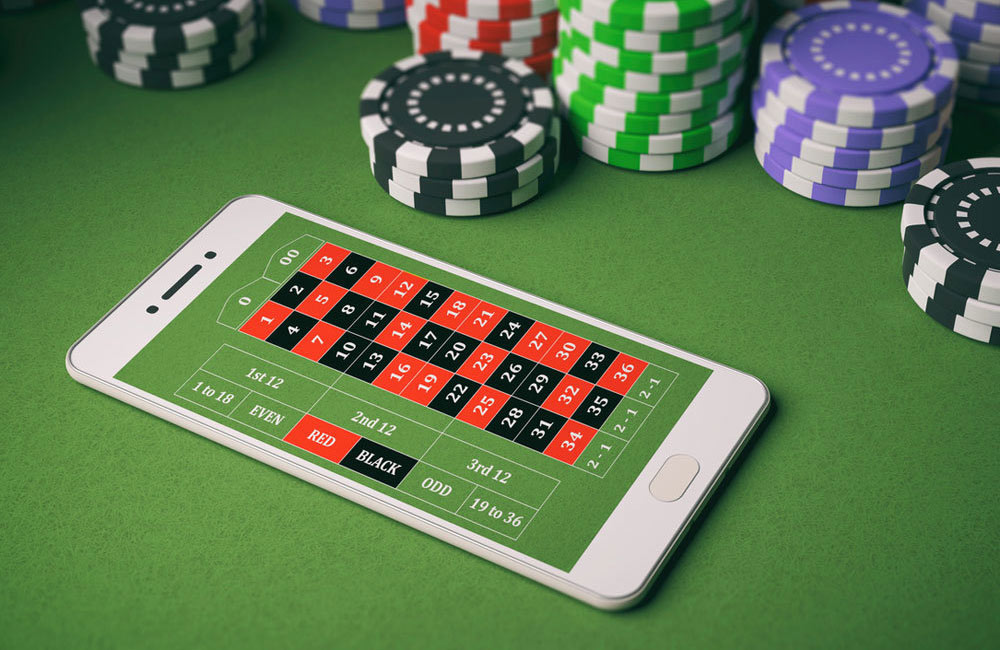
Social dynamics also significantly impact gambling psychology. Many individuals enjoy the social aspect of playing games, whether with friends or strangers. This social interaction can provide a sense of community, making the experience more enjoyable. However, the presence of other players can also lead to competitive behaviors, pushing individuals to gamble more aggressively. The excitement of shared experiences in a group can create a unique dynamic where players feel pressured to bet larger amounts to maintain their status within the social circle, often leading to riskier behaviors that might not occur in solitary play.
Moreover, the stigma surrounding gambling can affect how individuals approach it. Those who gamble might feel shame or guilt, especially when facing losses, leading to secrecy about their activities. This reluctance to discuss gambling habits can exacerbate feelings of isolation and contribute to problematic behaviors. By fostering open discussions about gambling within social circles, individuals may find a healthier balance and support network, enabling them to navigate the psychological complexities of gambling more effectively and reduce the potential risks associated with their actions.
Finding Balance: Responsible Gaming Awareness
Understanding the psychology of gamblers in casinos can provide insights into the importance of responsible gaming initiatives. Awareness campaigns aimed at educating gamblers about the psychological triggers and risks associated with gambling can be instrumental in promoting healthier behaviors. Such initiatives often emphasize setting limits on time and money spent, knowing when to walk away, and recognizing the signs of addiction. The goal is to empower individuals to make informed choices about their gambling activities and to mitigate the potential for harmful behaviors that could arise from their gambling experiences.
Casinos themselves are increasingly acknowledging the need for responsible gaming programs. Many establishments offer resources and support options for individuals who may be struggling with gambling-related issues. This includes self-exclusion programs, where players can voluntarily restrict their access to gaming activities for a specified time. By providing these resources, casinos can play a vital role in fostering a safer gambling environment and promoting a culture of responsibility among their patrons, ensuring that they are aware of the risks involved in gambling.
Ultimately, striking a balance between enjoyment and risk is crucial for anyone participating in gambling activities. By cultivating an understanding of the psychological factors at play, gamblers can approach the experience with a clearer perspective. Engaging in discussions, seeking support, and prioritizing self-awareness are all essential steps in ensuring that gambling remains a fun and entertaining pastime rather than a harmful addiction. Responsible gaming initiatives can help maintain this balance, encouraging gamblers to enjoy their experiences while minimizing potential negative consequences.