
The psychological impact of gambling unraveling the mind’s intricate triggers
The Allure of Risk and Reward
The psychological impact of gambling often begins with an enticing interplay between risk and reward. This dynamic captivates individuals, igniting an adrenaline rush that can be addictive. Players experience a flood of dopamine—a neurotransmitter associated with pleasure—each time they win, which reinforces the behavior. The anticipation of a potential win can be thrilling; for instance, trying your luck at Casea casino can heighten this experience, creating a cycle of desire that may lead to increased gambling frequency and intensity.
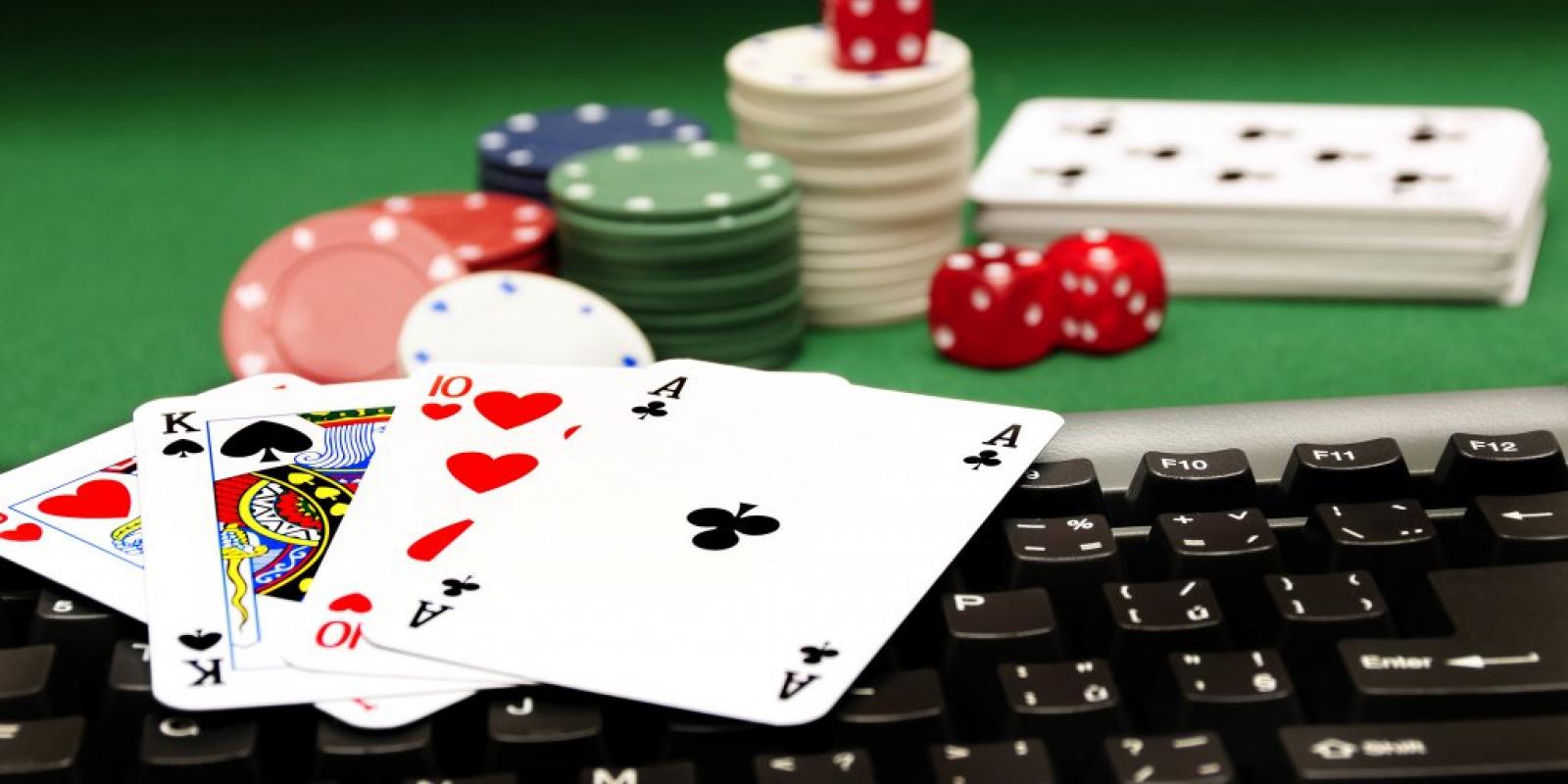
This excitement is not merely a product of chance; it is intricately linked to the brain’s reward system. Studies indicate that the brain responds similarly to gambling as it does to drugs or alcohol, highlighting the profound psychological effects gambling can have. As individuals continue to engage in gambling, their brains can become conditioned to seek out the stimulation and euphoria associated with winning, often overshadowing the negative consequences that can arise.
Moreover, the allure of high stakes can create a phenomenon known as «loss chasing.» After experiencing a loss, gamblers may feel compelled to continue playing in hopes of recouping their losses. This behavior often leads to a dangerous cycle where individuals invest more time and money, convinced that the next game will be the one that turns their fortune around, illustrating just how intricate the triggers of gambling can be.
The Role of Cognitive Biases
Cognitive biases play a pivotal role in shaping a gambler’s mindset. One common bias is the «gambler’s fallacy,» which is the belief that past events will influence future outcomes. For example, a player may believe that because a particular number has not appeared recently, it is «due» to come up soon. This flawed reasoning can perpetuate gambling behavior, as individuals often misinterpret randomness as a pattern, leading to further losses.
Another critical bias is the illusion of control, where gamblers believe they can influence the outcome of a game through their choices or strategies. This perception can lead to overconfidence and increased betting, as players think they possess an edge over the game. The combination of cognitive biases creates a false sense of security that can trap individuals in a cycle of gambling, reinforcing their compulsive behaviors.
These cognitive distortions are often amplified by the environment in which gambling takes place. Casinos, for instance, are designed to create an immersive experience, distracting players from their losses and reinforcing their perceptions of potential wins. The combination of psychological triggers and environmental cues creates a potent mix that can lead to addiction, emphasizing the need for awareness and understanding of these mental processes.
The Emotional Rollercoaster of Gambling
The emotional impact of gambling extends beyond mere financial concerns, weaving a complex tapestry of highs and lows. When winning, players often experience euphoria, boosting their self-esteem and reinforcing their engagement with the activity. However, this joy is fleeting, and as losses accumulate, feelings of guilt, shame, and anxiety may take center stage. The emotional instability associated with gambling can have lasting effects, damaging relationships and personal well-being.
Additionally, gambling can lead to significant stress, particularly when individuals begin to hide their activities from loved ones. The secrecy surrounding gambling habits can create feelings of isolation, further exacerbating emotional turmoil. As the stakes rise, gamblers may resort to drastic measures to recover losses, leading to a deterioration in mental health and an increased likelihood of developing gambling disorders.
The emotional rollercoaster is compounded by social influences, as players often navigate the expectations and judgments of their peers. This social dynamic can create pressure to continue gambling, even when the negative consequences become apparent. Understanding the emotional aspects of gambling is crucial for recognizing the intricate triggers that can ensnare individuals in this challenging cycle.
Understanding Gambling Addiction
The transition from casual gambling to addiction is often gradual but can occur swiftly in certain circumstances. Gambling addiction, classified as a behavioral disorder, is characterized by an inability to control the urge to gamble despite adverse consequences. This disorder can lead to severe financial difficulties, relationship breakdowns, and deteriorating mental health. Recognizing the signs of addiction is essential for early intervention and support.
One key aspect of gambling addiction is the escalating need to gamble larger amounts to achieve the same level of excitement. As individuals become desensitized to smaller wins, they may increase their bets or seek out riskier games, exacerbating their situation. The psychological dependence on gambling can lead to withdrawal symptoms when not engaged in the activity, such as irritability and restlessness, further entrenching the cycle of addiction.
Treatment for gambling addiction often involves therapy, support groups, and self-exclusion strategies. Cognitive-behavioral therapy (CBT) has proven effective in helping individuals address the cognitive distortions that fuel their gambling habits. Encouraging personal accountability and fostering healthier coping mechanisms are crucial steps toward recovery, highlighting the importance of understanding the psychological triggers behind gambling behavior.

Casea Casino: A Safe Gaming Experience
At Casea casino, we recognize the significance of providing a safe and secure gaming environment for our players. Understanding the psychological impacts of gambling is vital in fostering a responsible gaming culture. Our platform is designed not only to offer a wide array of engaging games but also to prioritize the mental well-being of our players. With thorough verification processes and robust customer support, we are committed to creating a trustworthy experience.
We believe in the importance of promoting responsible gambling practices. By offering resources and tools for self-assessment, we encourage players to be mindful of their gaming habits. Our goal is to provide not just entertainment but also a safe space where individuals can enjoy gaming while being aware of the intricate psychological triggers that may come into play.
As you embark on your gaming journey with us, we emphasize the importance of understanding the psychological aspects of gambling. By fostering awareness and promoting a responsible gaming culture, we aim to ensure that your experience remains enjoyable and secure, allowing you to savor every moment without the adverse effects often associated with gambling.